



Discover the best natural ways to improve sleep and wake up refreshed every morning. In this guide, we’ll reveal science-backed tips and gentle lifestyle changes to help you fall asleep faster, stay asleep longer, and enjoy deeper rest—no medications required. If you’re searching for practical strategies and effective products to transform your nightly routine and boost your overall wellbeing, you’re in the right place!
Table Of Content
- Natural Ways to Improve Sleep: Healthy Bedtime Rituals and Nutrition for Radiant Skin and Lasting Wellbeing
- Natural Sleep Habits to Boost Skin Health
- Set a consistent bedtime to support skin regeneration
- Create a calming pre-sleep ritual
- Optimize your rest environment
- Create a calming pre-sleep routine for better sleep quality
- Limit screen time before bed to reduce skin stress
- Optimize bedroom environment for restful sleep and glowing skin
- Nutrition and Supplements for Better Sleep and Skin
- Essential Supplements for Restful Nights
- Foods to Enhance Natural Skin Recovery
- Eat sleep-promoting foods that enhance skin repair
- Foods for Better Rest and Skin Regeneration
- Supplements to Enhance Rest and Skin Recovery
- Q&A
- Like this
- Related
Natural Ways to Improve Sleep: Healthy Bedtime Rituals and Nutrition for Radiant Skin and Lasting Wellbeing
Replace late scrolling with a consistent bedtime routine that signals your body to unwind. Dim lighting, calm breathing, and a cool room temperature promote deeper rest, which supports healthy cellular renewal and maintains balanced moisture levels. During quality nighttime recovery, the body increases collagen production, reducing fine lines and dullness without external products.

Limit caffeine and alcohol in the evening, as both interfere with sleep cycles and skin hydration. Instead, choose a cup of herbal tea rich in antioxidants to enhance beauty from within. A short meditation or gentle stretching before bed can stabilize cortisol levels, allowing your skin to regenerate more efficiently overnight.
Prioritize nutrient-dense meals throughout the day–especially foods rich in omega-3 fatty acids, zinc, and vitamins A and E. These elements strengthen the skin barrier and improve its ability to recover from environmental stress. Combining balanced nutrition with consistent, high-quality rest supports a clear, luminous complexion and long-term natural vitality.
Natural Sleep Habits to Boost Skin Health
Set a fixed bedtime and wake-up time, even on weekends. A steady routine trains your body’s internal clock, improving sleep quality and promoting deeper recovery cycles. During this stage, the body produces collagen, helping your skin stay firm and hydrated. Keep your phone and laptop out of reach an hour before bed to reduce blue light exposure that delays melatonin release.
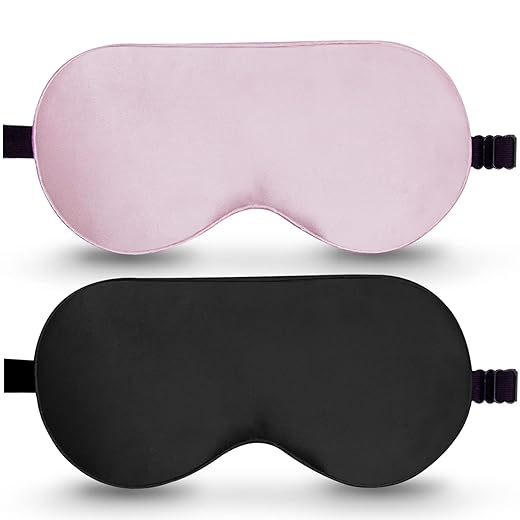
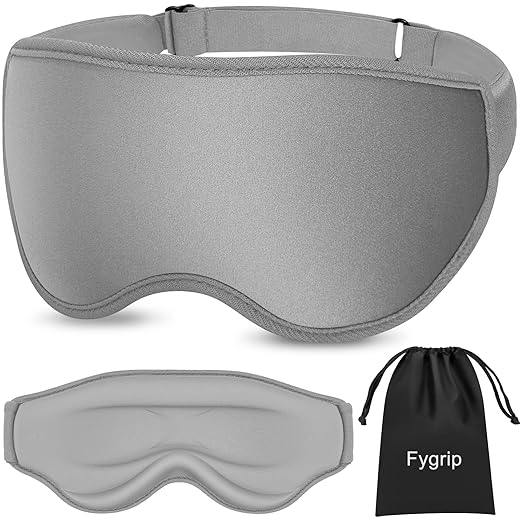
Keep your bedroom cool, quiet, and dark. Temperatures around 65°F (18°C) support uninterrupted rest and help the body maintain a healthy balance between hydration and oil production. Consider blackout curtains or a silk sleep mask–many users recommend options like the “MZOO Sleep Eye Mask” or the “Alaska Bear Natural Silk Mask” available on Amazon.
Choose bedding materials that allow airflow and moisture control. Cotton or bamboo sheets keep the body comfortable, preventing overnight sweating that can clog pores. Products such as the “Cozy Earth Bamboo Sheet Set” or “Brooklinen Luxe Core Sheet Set” are popular picks for enhancing beauty sleep quality. Pair this with a pillowcase made of silk to reduce friction and preserve skin smoothness.
End your day with calming rituals that lower stress hormones and prepare the body for rest. Try a warm shower, herbal tea, or a few minutes of deep breathing. Consistent sleep patterns, combined with nutrient-rich evening meals, give your complexion time to renew itself naturally–creating visible improvements in tone, clarity, and texture.
- Maintain a fixed bedtime schedule.
- Use cooling, breathable bedding.
- Reduce screen exposure before bed.
- Incorporate relaxation habits into your nightly routine.
Set a consistent bedtime to support skin regeneration
Go to bed at the same time every night. This stable routine helps regulate your body’s internal rhythm, promoting deeper rest and better nighttime recovery. When the body follows a steady schedule, hormonal balance improves, leading to more efficient collagen renewal and smoother skin texture. Inconsistent sleeping patterns, on the other hand, delay cell repair and may increase dullness or dryness.
Create a calming pre-sleep ritual
Prepare your body and mind with simple habits that encourage natural relaxation. Dim the lights, lower room temperature, and avoid blue light from screens. Herbal teas with chamomile or lavender can support healthy nighttime balance. Try products like “Pukka Night Time Tea” or “Traditional Medicinals Cup of Calm Tea” from Amazon–they promote calm without synthetic additives.
Optimize your rest environment
Keep your bedroom cool, clean, and quiet to enhance quality sleep. A memory foam pillow or silk pillowcase, such as the “Tempur-Pedic TEMPUR-Cloud Pillow” or “Blissy Silk Pillowcase,” can reduce skin friction and preserve hydration through the night. Choose breathable cotton or bamboo bedding to support natural airflow and temperature control, preventing irritation or breakouts during recovery.
Consistency strengthens your circadian rhythm, allowing your body to renew cells and repair tissue more efficiently. Combined with a nutrient-rich diet and daily hydration, a regular bedtime helps your skin look refreshed, balanced, and radiant without the need for extra treatments.
Create a calming pre-sleep routine for better sleep quality
Turn off bright screens and switch to soft lighting at least an hour before bed. This simple step signals the brain to release melatonin, improving sleep quality and boosting overnight recovery. When the body enters deep rest, it increases blood flow to the skin and accelerates cell renewal, giving a natural beauty boost without extra effort.
Take a warm shower or bath infused with lavender or chamomile oil. The temperature change relaxes muscles and helps the body cool down, preparing it for healthy rest. Products like “Dr Teal’s Foaming Bath with Lavender” or “Neom Perfect Night’s Sleep Bath Foam” from Amazon can create a calming, spa-like experience at home.
Set up a quiet space free from clutter, strong scents, and artificial noise. A few minutes of mindful breathing or journaling before bed helps clear thoughts and ease tension. Try using the “Headspace” or “Calm” app together with a white noise machine such as the “Hatch Restore” or “Yogasleep Dohm” to support steady relaxation and deeper sleep.
Keep a small glass of water by your bedside to stay hydrated through the night. Balanced moisture levels in the body promote smoother skin and faster recovery. Combining these nightly rituals with consistent hours of rest creates a stable foundation for radiant, natural beauty that lasts.
Limit screen time before bed to reduce skin stress
Switch off phones, tablets, and laptops at least an hour before bedtime. Reducing exposure to blue light improves sleep quality and supports deeper rest, allowing your body to focus on recovery and skin regeneration. Consistent evening routine helps stabilize hormone cycles that keep skin hydrated and balanced.
Replace screen use with calming activities like reading a physical book, gentle stretching, or journaling. These simple habits reduce cortisol levels and encourage healthy overnight recovery. Blue light-blocking glasses such as “TIJN Blue Light Blocking Glasses” or “Gunnar Intercept Glasses” on Amazon can be used if device use is unavoidable.
Create a bedroom environment that supports natural relaxation. Keep the space cool and quiet, and consider using a white noise machine like the “Hatch Restore” or a diffuser such as the “Vitruvi Stone Diffuser” to fill the room with soothing aromas. This setup enhances sleep quality and gives skin the chance to repair and rejuvenate effectively.
Maintaining a digital-free period before bed strengthens nightly routine, supports healthy rest, and reduces inflammation that can affect the complexion. Over time, consistent habits like these keep skin smooth, refreshed, and naturally radiant.
Optimize bedroom environment for restful sleep and glowing skin
Maintain a cool, dark, and quiet bedroom to support deep sleep and maximize recovery. Ideal temperatures between 60–68°F help regulate body heat and improve overnight cell repair. Blackout curtains or a comfortable natural sleep mask can block light and prevent interruptions in your routine. Products like the “MZOO Sleep Eye Mask” or “Alaska Bear Silk Sleep Mask” on Amazon are excellent for creating a calm environment.
Choose bedding that enhances comfort and skin health. Silk pillowcases reduce friction, helping prevent fine lines and irritation, while breathable cotton or bamboo sheets regulate moisture and temperature. Options such as the “Blissy Silk Pillowcase” or “Cozy Earth Bamboo Sheet Set” are popular choices for healthy, restful nights.
Introduce subtle aromas and sounds to promote relaxation. Essential oil diffusers like the “Vitruvi Stone Diffuser” or white noise machines such as “Hatch Restore” can improve quality sleep and support the body’s natural beauty regeneration cycles.
| Bedroom Tip | Benefit | Example Product (Amazon) |
|---|---|---|
| Cool, dark room | Supports deep sleep and recovery | MZOO Sleep Eye Mask, Alaska Bear Silk Sleep Mask |
| Silk or bamboo bedding | Reduces skin irritation and promotes hydration | Blissy Silk Pillowcase, Cozy Earth Bamboo Sheet Set |
| Aromatherapy or white noise | Encourages relaxation and high quality rest | Vitruvi Stone Diffuser, Hatch Restore |
Optimizing your bedroom with these natural touches enhances nightly routine efficiency, supports healthy sleep, and helps maintain radiant skin through effective recovery cycles.
Nutrition and Supplements for Better Sleep and Skin
Eating the right foods and taking supplements can have a significant impact on your skin and sleep quality. For a natural boost, focus on foods rich in vitamins and minerals that aid in both recovery and rest–like magnesium, omega-3 fatty acids, and zinc. Magnesium is known to improve sleep by relaxing muscles and calming the nervous system. Foods like spinach, almonds, and avocados are excellent sources of magnesium. If you need a supplement, try magnesium glycinate, which is gentle on the stomach and helps with deeper rest.

Omega-3 fatty acids, found in fatty fish like salmon or chia seeds, are not only good for heart health but also help reduce inflammation in the skin. They promote a healthy glow and keep your skin hydrated overnight. You can also take omega-3 supplements if you don’t eat fish regularly. Products like “Viva Naturals Omega-3 Fish Oil” are popular options for those looking to boost their intake.
Essential Supplements for Restful Nights
Melatonin, a hormone naturally produced by the body, is another effective supplement for supporting a healthy sleep routine. It helps regulate your internal clock and can promote restful nights. For a gentle boost, try melatonin tablets or gummies, such as the “Natrol Melatonin 10mg” on Amazon. This supplement can help you fall asleep faster, making it easier to get the quality rest your body and skin need for recovery.
Foods to Enhance Natural Skin Recovery
Incorporate foods that support skin health and promote cell regeneration during the night. Berries, citrus fruits, and tomatoes are packed with antioxidants like vitamin C, which helps repair skin damage caused by daily stressors. Collagen-rich foods like bone broth or collagen supplements (like “Vital Proteins Collagen Peptides”) also support skin elasticity and minimize the appearance of fine lines.
Remember that a balanced diet with the right nutrients, combined with high-quality sleep, helps maintain healthy skin and accelerates recovery from daily stress. Prioritize these natural foods and supplements for a clearer, more radiant complexion and deeper, more rejuvenating rest.
Eat sleep-promoting foods that enhance skin repair
To support your body’s natural recovery process and improve skin health, start by adding foods to your diet that promote both rest and repair. Certain foods are packed with vitamins, minerals, and compounds that encourage better quality sleep while helping your skin recover from daily wear and tear.
Foods for Better Rest and Skin Regeneration
Include the following foods in your routine for optimal rest and skin repair:
- Cherries: Rich in melatonin, cherries can help regulate your sleep-wake cycle, improving sleep quality. This helps the skin repair itself during the night.
- Almonds: Packed with magnesium, almonds help relax the muscles and calm the nervous system, making it easier to fall asleep. Magnesium also supports skin repair.
- Salmon: Omega-3 fatty acids found in salmon help reduce inflammation, promote healthy skin, and support the recovery of damaged skin cells.
- Bananas: These contain potassium and magnesium, both of which aid in relaxing muscles, enhancing rest, and contributing to healthy, glowing skin.
- Sweet Potatoes: Rich in beta-carotene, sweet potatoes help protect your skin from oxidative stress and promote its natural regeneration.
Supplements to Enhance Rest and Skin Recovery
In addition to sleep-promoting foods, certain supplements can also support your recovery and skin health:
- Collagen Peptides: Collagen is essential for maintaining skin elasticity and hydration. Adding collagen peptides to your routine can help with the regeneration of skin cells overnight. Try products like “Vital Proteins Collagen Peptides.”
- Magnesium Supplements: Magnesium helps your body relax and improves the quality of your rest. Products like “Natural Vitality Calm” provide a natural way to unwind.
- Melatonin: A melatonin supplement can help regulate your sleep cycle, ensuring your body gets the proper amount of rest it needs for skin repair and recovery.
By incorporating these sleep-promoting foods and supplements into your daily routine, you can support both your body’s natural healing processes and improve the overall appearance of your skin. The key is consistency–healthy eating habits combined with quality rest will lead to long-term benefits for both your skin and overall well-being.
Affiliate Disclaimer: Some of the links in this article are affiliate links, meaning that if you make a purchase through these links, we may earn a small commission at no extra cost to you. We only recommend products we trust and believe will add value to your routine. Your support helps us continue to create helpful content. Thank you!
Q&A:
How does sleep affect the appearance of my skin?
Sleep allows your body to repair and regenerate cells, including skin cells. During deep sleep, blood flow to the skin increases, helping to repair damage from sun exposure and environmental stress. Lack of sleep can lead to dull skin, dark circles under the eyes, and increased signs of aging such as fine lines and wrinkles.

Can certain foods help me sleep better and improve my skin?
Yes. Foods rich in magnesium, like leafy greens and nuts, can promote relaxation and improve sleep quality. Omega-3 fatty acids found in fish and seeds may reduce inflammation, which benefits both sleep and skin health. Avoiding caffeine and heavy meals close to bedtime can also prevent sleep disturbances that affect skin condition.
Are there natural routines I can follow at night to enhance my skin while sleeping?
Maintaining a consistent nighttime routine can help both sleep and skin. Using gentle skincare products and applying a moisturizer before bed supports skin hydration. A warm, dimly lit environment signals your body that it’s time to rest, while limiting screen time reduces exposure to blue light that can disrupt sleep and potentially stress your skin.
Does exercise during the day really impact how my skin looks at night?
Yes. Physical activity increases circulation, delivering more oxygen and nutrients to your skin. It also helps regulate hormones and reduce stress, which can minimize breakouts and skin irritation. Exercising earlier in the day is generally better because vigorous activity right before bedtime can make falling asleep harder, which may indirectly affect skin recovery overnight.
How do stress and anxiety influence sleep and skin health?
Stress triggers the release of cortisol, a hormone that can disrupt sleep and accelerate skin aging. Poor sleep caused by stress can lead to increased inflammation, breakouts, and a tired appearance. Practices like deep breathing, meditation, or journaling before bed can calm the mind, improve sleep, and help the skin repair itself more effectively during the night.
How can my sleep environment impact my skin?
The conditions in your bedroom can affect both the quality of your sleep and the condition of your skin. A cool, dark room helps your body lower its temperature, which promotes deeper sleep and allows the skin to repair. Using breathable bedding and keeping the air slightly humid can prevent dryness and irritation, helping your skin stay smooth and hydrated overnight.
Are there simple daily habits that improve sleep and skin appearance?
Yes, small daily habits can make a noticeable difference. Going to bed at a consistent time each night helps regulate your body’s natural rhythm, which supports skin regeneration. Limiting caffeine in the afternoon, taking short walks during the day, and practicing gentle relaxation techniques before bed can improve sleep and reduce stress-related skin issues like redness or breakouts.


No Comment! Be the first one.