



How to use nutrition to support deeper sleep, calm the nervous system and restore your body overnight
Table Of Content
Getting a good night’s sleep is essential for health, recovery and overall wellbeing. But did you know that what you eat before bed — and during the day — can significantly influence how well you fall asleep, how deeply you sleep and how refreshed you feel in the morning? Nutrients such as magnesium, tryptophan, melatonin and complex carbohydrates all play a role in calming your nervous system, stabilizing hormones and promoting restful sleep. UChicago Medicine+3Sleep Foundation+3Healthline+3
In this guide, you’ll discover 10 natural foods backed by science that help you unwind and prepare your body for night-time recovery. We’ll also highlight Amazon product examples that make it easy to integrate these foods and supplements into your evening routine.
Why Food Matters for Sleep
Before diving into the foods themselves, it’s important to understand why what you eat can affect sleep quality—and not just “how full” you are. Research shows:
-
Diets higher in fiber, protein, fruits, vegetables and healthier fats are associated with better sleep quality, including longer deep sleep and less waking overnight. PMC+1
-
Specific nutrients – like melatonin (the sleep hormone), tryptophan (an amino acid precursor to serotonin and melatonin), and magnesium (which helps relax muscles and regulate sleep-related brain signals) – are found in many natural foods. Sleep Foundation+2Blue Cross Blue Shield of Vermont+2
-
Complex carbohydrates and whole-grain foods can boost tryptophan uptake into the brain and help trigger serotonin/melatonin production. Медицина Хопкинса+1
In other words: turning your evening meal or snack into a sleep-supporting ritual can help you calm down, prepare your body for rest and increase the chances of waking up refreshed.
The Top 10 Natural Sleep-Support Foods
Here is a list of foods you can include in your evening routine, with a brief note on why each one works.
| # | Food | Sleep-Support Benefit |
|---|---|---|
| 1 | Almonds | Contain magnesium and melatonin; promote muscle relaxation and support sleep onset. Healthline+1 |
| 2 | Oats / Oatmeal | Rich in complex carbs, magnesium and tryptophan; help increase serotonin and melatonin. Blue Cross Blue Shield of Vermont+1 |
| 3 | Bananas | Provide magnesium & potassium to relax muscles; also carbs to support sleep hormones. Blue Cross Blue Shield of Vermont |
| 4 | Tart Cherries / Cherry Juice | Natural source of melatonin; studies show improved sleep when consumed before bed. ColumbiaDoctors |
| 5 | Kiwi Fruit | Promotes better sleep onset and duration; may act via serotonin and antioxidants. Healthline |
| 6 | Fatty Fish (e.g., salmon) | Supplies vitamin D, omega-3 and amino acids linked to serotonin regulation and sleep. Harvard Health |
| 7 | Leafy Greens & Beans (e.g., spinach, lentils) | Good magnesium sources; high fiber supports better sleep quality. Ohio State Health+1 |
| 8 | Turkey or Lean Poultry | Contains tryptophan; when paired with carbs, may influence sleep hormones. Sleep Foundation |
| 9 | Chamomile Tea | Contains apigenin, a compound shown to bind brain receptors and promote calm. Healthline |
| 10 | Whole-Grain Rice / Quinoa | Whole grains help stable blood sugar overnight and provide carbs that promote sleep. PMC+1 |
-
🛒 Product Examples on Amazon
Below are easy-to-find Amazon products that make it simple to incorporate these sleep-support foods into your routine:
Product Description Nature Made Magnesium 500 mg A supplement form of magnesium for muscle & nervous system relaxation. Elan Organic Banana Chips Snack-friendly, magnesium & potassium rich banana pieces for evening. Bigelow Chamomile Herbal Tea Calming tea with apigenin for pre-bedtime wind-down. Blue Diamond Whole Natural Almonds Raw almonds with healthy fats, magnesium and melatonin precursors. *Prices and availability may vary — please check Amazon for current offers.
How to Build Your Night-Time Nutrition Plan
Here’s how to apply the foods and products above into your evening schedule:
-
2-3 hours before bed: Have a light meal combining lean protein (turkey or fish) plus a small portion of whole-grain rice or quinoa. This pairs tryptophan and complex carbs to support serotonin/melatonin.
-
1 hour before bed: Choose a small snack like a handful of almonds or banana slices + tea (chamomile) or try a supplement of magnesium if approved by your health provider.
-
Limit stimulants/sugars: Avoid high-sugar snacks, heavy saturated fats or caffeine late in the evening — they disrupt sleep onset and quality. PMC+1
-
Consistent schedule: Eating and sleeping on a regular rhythm supports your body’s natural circadian cycle and the hormonal triggers for sleep.
-
Hydrate wisely: A moderate amount of water helps but avoid very large fluid intake right before bed to reduce interruption for bathroom trips.
Why These Foods Work: Key Mechanisms
-
Melatonin production: Foods containing melatonin (cherries, nuts) or supporting its production (magnesium, tryptophan) help align your sleep–wake rhythm. ColumbiaDoctors+1
-
Tryptophan → Serotonin → Melatonin: Tryptophan in foods (turkey, oats) converts to serotonin and then melatonin, especially when paired with carbs. Медицина Хопкинса
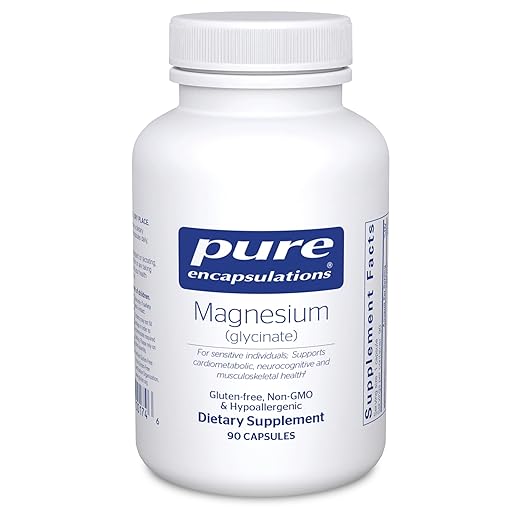
Hot Pick Pure Encapsulations Magnesium GlycinateSupports stress relief and muscle functionThis magnesium supplement aids in heart health, muscle function, and relaxation. Made with pure, high-quality ingredients, it supports overall wellness and energy metabolism needs.
 -
Magnesium & muscle relaxation: Magnesium helps calm nerves, relax muscles and may influence GABA brain receptors — helping you drift off easier. GQ
-
Complex carbs & stable blood sugar: Whole grains support stable overnight blood sugar and better sleep via complex nutrient material.
Table: When to Eat & How It Fits Your Sleep Cycle
Time Before Bed What to Eat Benefit 2-3 hrs Lean protein + whole grain Supports tryptophan uptake & serotonin/melatonin synthesis ~1 hr Magnesium-rich snack (nuts, bananas) or supplement Relaxes muscles, supports hormones 30-60 mins Chamomile tea or low-fat dairy Gentle wind-down, promotes calm & melatonin release
Practical Tips & Considerations
-
Start small: Rather than overhauling everything, add one new sleep-support food or snack and monitor your sleep quality.
-
Quality matters: Choose whole-food sources, avoid processed or sugary sleep snacks.
-
Check timing: Large meals right before bed can backfire by causing indigestion or raising metabolism.
-
Review other factors: Nutrition is just one part—sleep hygiene, screen time, temperature, and stress also matter.
-
Guard against myths: No single food is a silver bullet. The best sleep support comes from a pattern of healthy eating + routine. Sleep Foundation
-
Consult a professional: If you have insomnia, sleep disorders or health conditions, dietary changes should complement (not replace) medical advice.
Final Thoughts
Integrating sleep-supportive foods into your evening routine is a simple, natural way to enhance both rest and recovery. By focusing on nutrients like magnesium, tryptophan, melatonin and complex carbs, you give your body the building blocks for better sleep while supporting overall health. Combine these with a consistent evening schedule, limiting stimulants and practicing good sleep habits—and you’ll set the stage for deeper rest, improved mood and more energy during the day.
Sweet dreams await—start with one small dietary shift tonight and build from there.
-
Q&A:
Which foods are best to eat before bedtime for better sleep?
Foods rich in tryptophan, magnesium, and complex carbohydrates can support better sleep. For example, a small bowl of oatmeal or a banana with a spoon of peanut butter can help relax your muscles and encourage melatonin production, making it easier to fall asleep.
Can drinking herbal tea actually improve my sleep quality?
Yes, certain herbal teas, like chamomile, valerian root, or peppermint, have compounds that may reduce stress and calm the nervous system. Drinking a warm cup about 30 minutes before bed can create a calming pre-sleep routine, helping you fall asleep faster and stay asleep longer.
Are there any fruits that are particularly helpful for sleep?
Cherries are a natural source of melatonin, the hormone that regulates sleep. Eating a small handful of fresh cherries or drinking tart cherry juice in the evening can gently raise melatonin levels, which may improve both the duration and quality of your sleep. Other fruits like kiwis and bananas also provide vitamins and minerals that support relaxation and muscle recovery during the night.
Is it better to eat a snack or a full meal if I want to sleep well?
It is generally better to have a light snack rather than a heavy meal close to bedtime. Large meals can cause indigestion or discomfort that disrupts sleep. A small portion of yogurt with a few nuts or a slice of whole-grain toast with avocado can provide nutrients that promote sleep without overloading your digestive system.
How do magnesium-rich foods affect sleep?
Magnesium plays a key role in regulating neurotransmitters that signal the body to relax. Foods like almonds, spinach, pumpkin seeds, and dark chocolate contain magnesium, which can help calm the nervous system. Regularly including these foods in your evening routine may reduce restlessness and make it easier to fall asleep naturally.


No Comment! Be the first one.